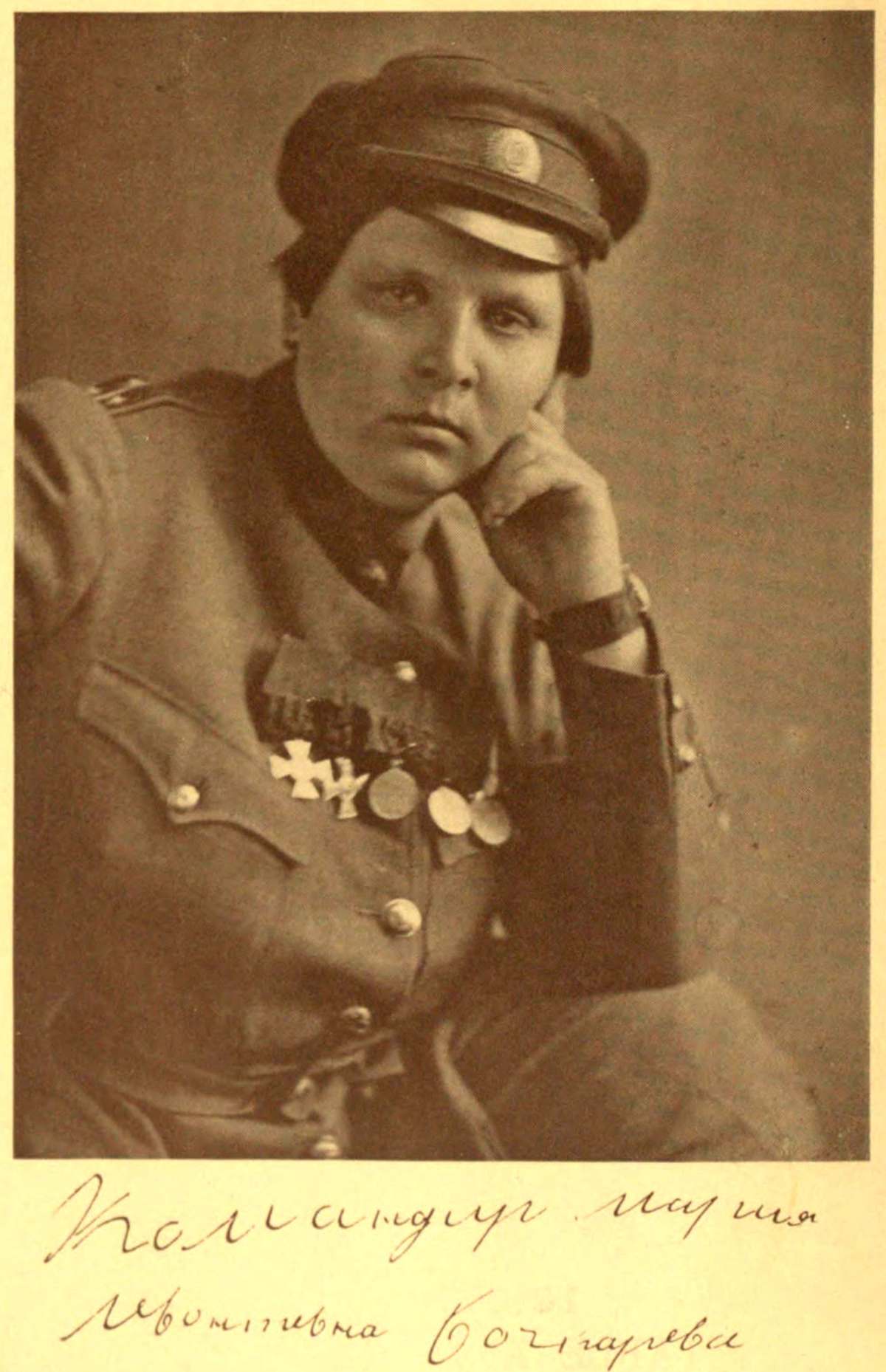
I did not intend to include Maria Bochkareva, or Yashka as she preferred to be called, as a character in my latest installment in the Delafield & Malloy series,, and yet when I stumbled across her memoir (YASHKA, MY LIFE AS PEASANT, EXILE AND SOLDIER), I knew she had to at least make an appearance.
In the memoir she tells us that her father was born a serf. After the serfs were emancipated, he was conscripted into the army where he was promoted to sergeant. Her mother was born to a fisherman so poor, his daughter never had a pair of shoes until she met her future husband and he gave her some as a present. The couple moved onto a tract of land that Yashka's father inherited and they worked the land. But the family did not thrive. They moved to Siberia, and Yashka was sent out to work at the age of eight.
Yashka's hardships continued throughout her life. She married at 16. Her husband was abusive so she left him. Her next relationship was just as bad. But Yashka had a fighting spirit -- literally. She tried to join the army when World War I started in 1914. They wouldn't accept her so she wrote a letter to the Tsar, and he let her enlist. An insanely fierce fighter, she was awarded a medal for her bravery.
She was thrilled when the Tsar was deposed as were most peasants, but she did not agree with the prevailing sentiments toward a separate peace with Germany. She organized the Women's Death Battalion to continue the fight against the Germans.
"It was exhilarating to be able to do some real fighting again. It is true, we were a mere handful, scarcely two hundred women. But we raised quite a storm. Our machine guns rattled and No Man’s Land was turned from a promenade for agitators and drunkards into a real No Man’s Land. The news spread rapidly along the front of the activity of the Women’s Battalion, and I believe that for hundreds of miles our little sector was the only fighting part of the line. I was naturally very proud of this distinction."
When the Bolsheviks took over Russia in October, 1917 (Julian Calendar) and ended Russia's participation in the war, she did not find favor with them. She joined up with the White Army. She was ultimately captured and executed.
Yashka appears three times in Book 7, Ransom in Red, each time marking a point in Ellen's arc. At first, Ellen sees her as a pawn. Later Ellen admires Yashka's courage but cannot agree with her continued desire to wage war. Toward the end of the book, when Ellen sees how Yashka is treated by the Bolsheviks, she comes to an important realization.
Yashka represents a true woman warrior. Like Ellen, I can't help but admire her.