A Writer’s Thread
I’m often reading for research, so I don’t get as much time to enjoy historical novels as I would like. However, there’s one author whose books I always make time for: Madeline Martin. I know whenever I pick up a book by Martin, I will be entertained, educated, and emotionally engaged. One reason I’m drawn to her books is the passion her characters possess for the act of reading itself.
I first became aware of Martin a few years ago when I interviewed her for the Historical Novel Review with the release of her gripping World War II novel, The Librarian Spy. The historical research for this page-turning book was fascinating, providing information about aspects of the war of which I had been unaware.
The other thing that impressed me about Martin was her generosity toward other writers. Every Friday she posts a “Friday Reads,” a review of new historical novels on social media. She even offered me, a newbie to historical fiction at the time, reams of advice on marketing and promotion. I may be two decades older than Martin, but she has served as an exemplary mentor. Last year she helped me craft the query letter that landed a publisher for my forthcoming novel.
When the organizers of Word of South, a literary and music festival in my home city of Tallahassee, offered me a slot in the schedule to bring in a historical fiction author, I thought of Martin, who lives on the other side of the state. She graciously accepted the invitation and drove over for the day.
Martin enjoys sharing her writing and researching process with readers. In our session held in a local beer garden, she described to a rapt crowd how she spends months researching her stories, traveling to locales such as Warsaw, Lyon, London, and Lisbon. She also talked about how she developed her love of reading as a child whose parents moved often, which is why the romance of books and the written word figures so often in her stories.
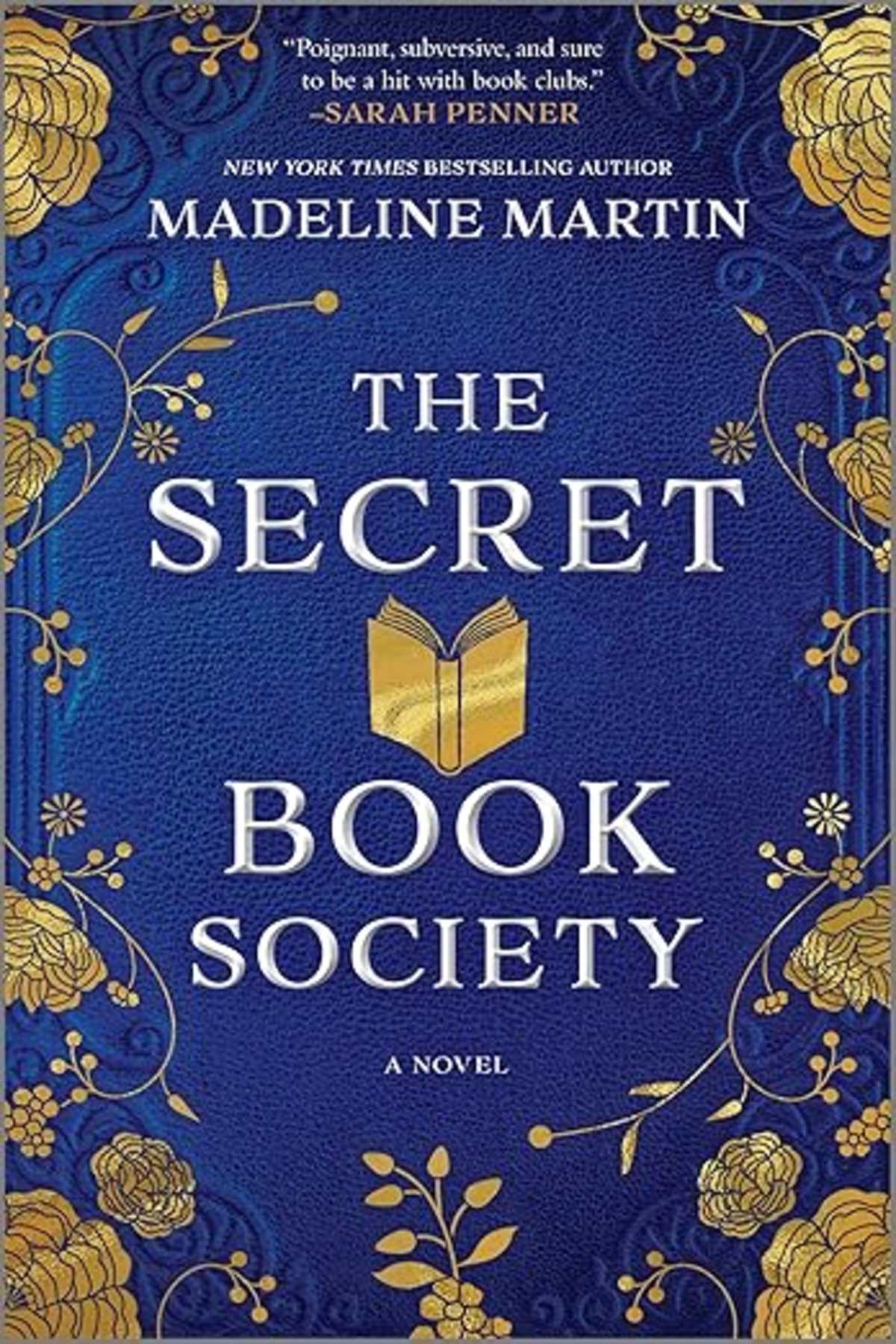
The saving power of reading in times of trouble is the thread running through Martin’s historical novels. Her most recent novel, The Secret Book Society, published in the summer of 2025, provides a perfect example. The novel tells the story of some society women in Victorian England who are brought together by a mysterious countess to read books — against the wishes of their families and of society. “Women who had been repressed, who had been trapped, abandoned to their fates by the ones they loved.” Through the travails of these women, we get different perspectives about what it must have been like to be an upper-class woman in that hyper-patriarchal era.
Martin draws her fictional stories directly from the struggles of real people, and this one is no exception. In The Secret Book Society, she shows what can happen to women deemed to be “dangerous” because of their intelligence as well as by any efforts to educate themselves. The book is a timely reminder of what women lose when we are not free to pursue a life of the mind.
A perusal of her other titles conveys the continuing theme of the power of reading books: The Last Bookshop in London, The Librarian Spy, The Keeper of Hidden Books, and The Booklover’s Library. I believe Martin’s generous support of other writers is directly linked to her commitment to serve as a champion of books.
Martin’s work has inspired me to look for the threads in other writers’ books. For example, Renee Rosen writes about powerful, driven women like Caroline Astor, Estee Lauder and Ruth Handler (the creator of Barbie) who make a significant mark in society or in the business world. Kate Quinn’s characters tend to live double-lives and dive into danger at the first opportunity.
In my own work, the thread of women’s friendship runs through the stories, probably because my friendships with women are so important in my own life. The two characters in my Delafield & Malloy historical mystery series come from differing backgrounds – one is the Barnard-educated daughter of blue-blood society and the other is the immigrant daughter of a fisherman and his illiterate wife. Their friendship enriches their lives and enables them to grow in ways they would not otherwise. In my forthcoming novel, The Woman with the Wicked Face, inspired by the life of the silent film star, Theda Bara, the protagonist’s mother, sister and her maid play as important a role as the men she loves.
Writers are weavers, and in order to create our tapestries we use various threads. Some of those threads might find their way into only one book, but others may show up time and again. The thread leads both the writer and the reader through the story and then, perhaps, on to the next one. These threads can also bind us, one to another, reader to writer as we plumb our passions and obsessions and discover what makes our lives meaningful.
April 21, 2026
A Writer's Thread